




The Short Answer
On the same project, yes. On the same expense, no.
The CRA's rules for the Multigenerational Home Renovation Tax Credit (MHRTC) exclude any expense "already claimed under the medical expense tax credit or home accessibility tax credit, or both." Every invoice line can go to one credit or the other, never both. On a larger suite build, dividing the costs deliberately gets you more back than claiming everything under one credit.
We're renovation contractors, not accountants. This is how the credits apply to the projects we build, current as of September 2026. Confirm your own claim with your accountant or the CRA.
The Two Credits Side by Side
| MHRTC | Home Accessibility Tax Credit | |
|---|---|---|
| What it's for | Building a new self-contained suite for a senior or adult with a disability | Renovations that improve access or safety for a senior or person with a disability |
| Rate (2026) | 14% | 14% |
| Expense cap | $50,000 per renovation | $20,000 per year |
| Maximum credit | $7,000 | $2,800 per year |
| Refundable? | Yes | No, it only reduces tax owed |
| How often | Once per qualifying individual, for life | Every year |
| Can it share an expense with the medical expense credit? | No | Yes |
The key differences: the MHRTC is bigger and refundable, but once in a lifetime. The HATC is smaller and non-refundable, but renews every year and can overlap with the medical expense credit.
How to Split a Suite Build
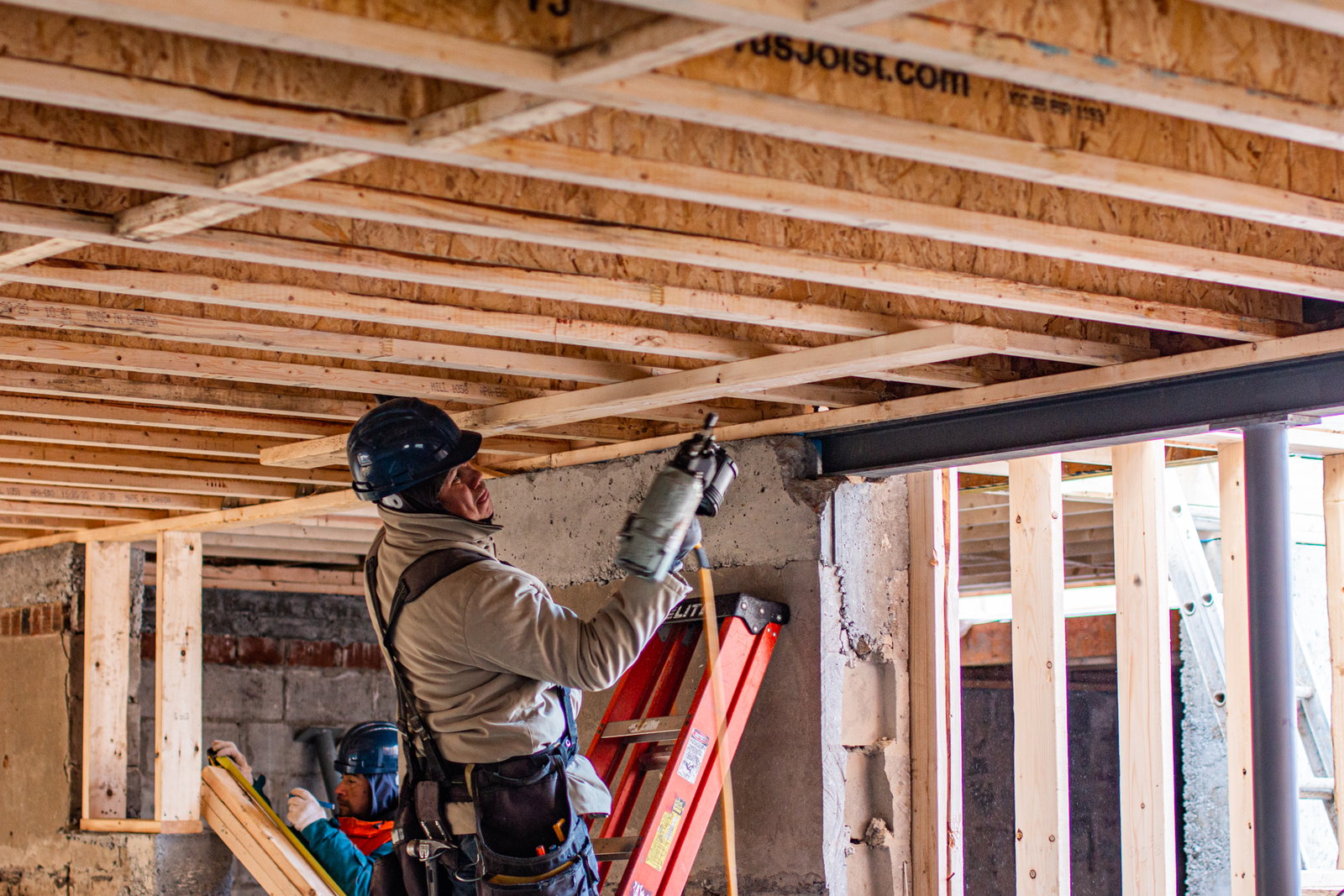
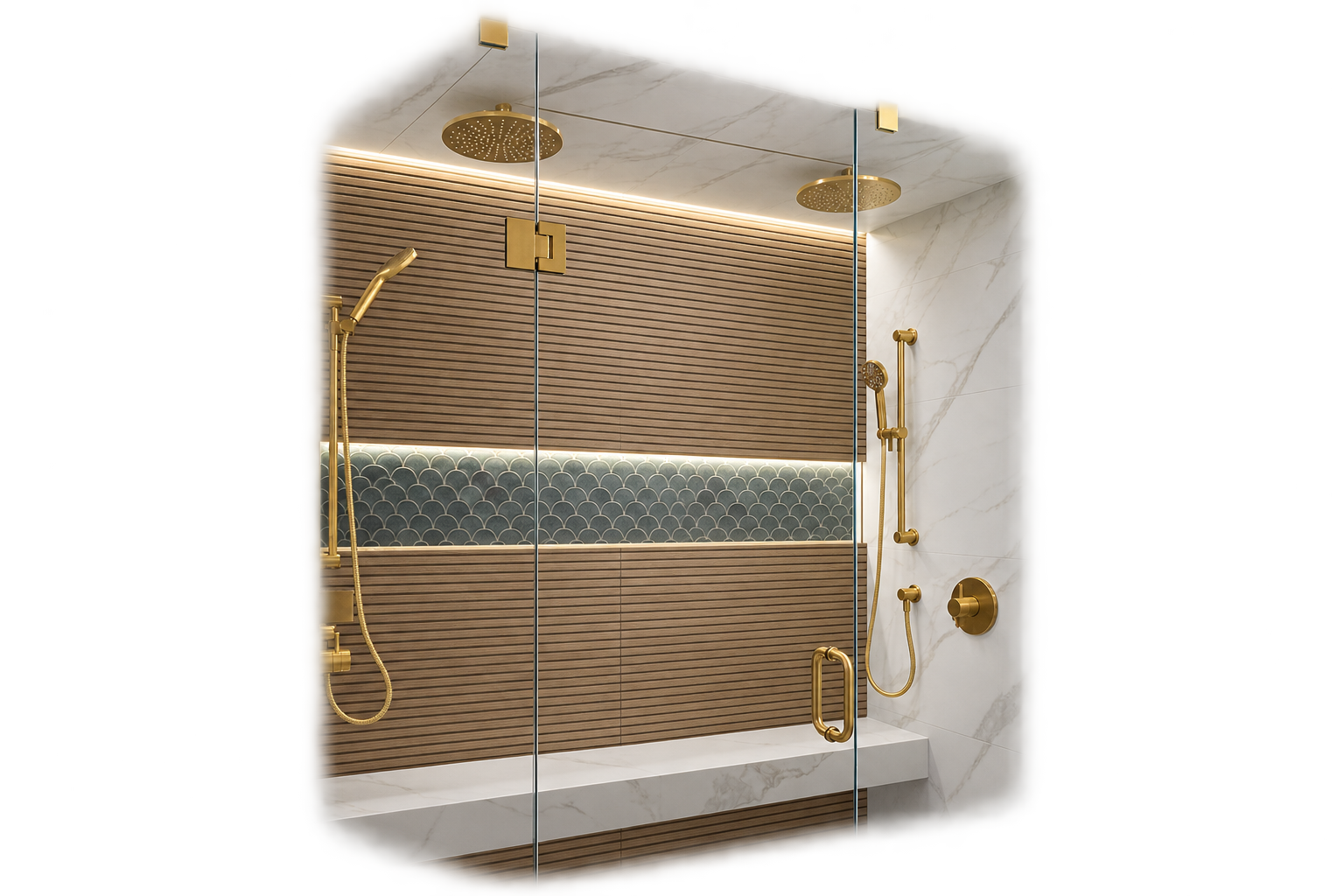
Take a common example: a $140,000 basement suite for a 74-year-old mother, finished in 2026. The home is owned by her daughter and son-in-law. About $20,000 of the budget is accessibility work: a curbless shower, grab bars with blocking, 36" doors, lever handles and a ramp at the side entrance.
| Approach | MHRTC | HATC | Total |
|---|---|---|---|
| Everything under the MHRTC | $50,000 → $7,000 | — | $7,000 |
| Accessibility items under the HATC, the rest under the MHRTC | $50,000 → $7,000 | $20,000 → $2,800 | $9,800 |
The suite costs far more than the $50,000 MHRTC cap, so the MHRTC is maxed out on general construction alone: framing, drywall, electrical, plumbing and the kitchen. Moving the accessibility items to the HATC costs the MHRTC nothing and adds up to $2,800.
It only works if the HATC rules are also met. The home has to be an eligible dwelling for the qualifying individual, and someone claiming has to owe enough tax to use a non-refundable credit. Ownership and who lives in which unit matter here, so this is the part to confirm with your accountant.
When Not to Split
- The project costs less than $50,000. Put everything under the MHRTC. It's refundable and has more room, and pulling items out for the HATC just shrinks it.
- Nobody claiming owes much tax. A non-refundable HATC is worth little to a retired parent with low income. The MHRTC pays out regardless.
- The accessibility work comes later. The HATC renews every year. If grab bars, a stair lift or a ramp are planned for a later year, they can be claimed then.
And if the person has a severe and prolonged mobility impairment, the accessibility items may also qualify as medical expenses. The HATC and the medical expense credit can share an expense, which makes the split even more worthwhile.
Invoices That Make the Split Easy
The split only holds up if your records show which work went where. On multigenerational projects we:
- Itemize accessibility work separately on the invoice: the shower, grab bars and blocking, door widening, ramp and slip-resistant flooring
- Show our GST/HST number, dates and the scope of the work on every invoice
- Keep the permit and drawings, because the MHRTC requires the suite to meet local building requirements
That gives your accountant a clean line between the two claims.
Building a Suite for Family?
We build secondary suites and multiplex conversions, additions and aging-in-place renovations across Toronto and the GTA, with design and permits handled in-house. Start with a quote and we'll scope the suite and separate the accessibility work from day one.