




The Short Answer
The Multigenerational Home Renovation Tax Credit (MHRTC) covers the cost of building a self-contained secondary unit — a basement suite, a garden suite, an addition or a converted floor — so that a family member who is 65 or older, or an adult eligible for the disability tax credit, can live with a relative.
For renovations completed in 2026 it's worth 14% of up to $50,000 in eligible costs, or up to $7,000. It's refundable, so you get the money back even if you owe no tax. (The rate dropped from 15% to 14.5% for 2025 and 14% from 2026, along with the lowest federal tax bracket. Many guides online still quote $7,500.)
We're renovation contractors, not accountants. This is how the credits apply to the projects we build, current as of September 2026. Confirm your own claim with your accountant or the CRA.
What Counts as a "Secondary Unit"
This is where most claims succeed or fail. The CRA's definition is strict. The secondary unit must be:
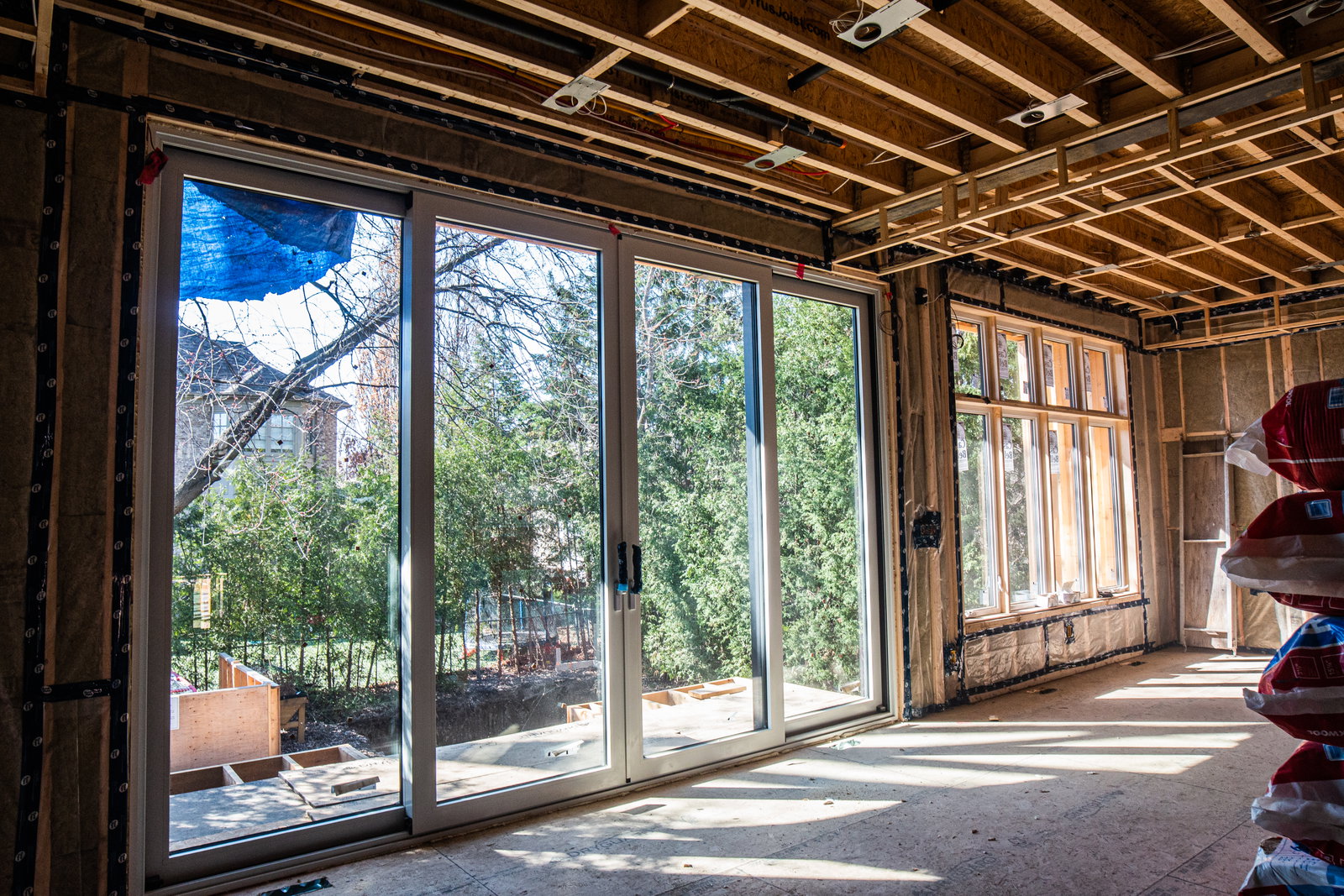
- Self-contained, with its own private entrance, kitchen, bathroom and sleeping area
- Newly built, or created from space that didn't already qualify as a unit. Updating an existing legal basement apartment doesn't count.
- Built to code, meeting local permits, building codes and bylaws
- On the same property as the main home. It can be attached (a basement or an addition) or a separate building (a garden or laneway suite).
A bedroom and ensuite added for Mom off the main hallway does not qualify, no matter how nice it is. A basement with its own side door, kitchenette, bathroom and bedroom does, as long as it's permitted.
In Toronto that last point matters. Since the multiplex rules came in, most residential lots can add a secondary suite or a garden suite without rezoning. You still need a building permit, and fire separation, egress windows and ceiling heights all have to meet the Ontario Building Code before the unit is legal.
Who Can Claim It
There are three roles, and one person can fill more than one:
| Role | Who it is |
|---|---|
| Qualifying individual | The person the suite is for: 65+ at the end of the year the work is finished, or 18–64 and eligible for the disability tax credit |
| Qualifying relation | An adult relative: parent, grandparent, child, grandchild, sibling, aunt, uncle, niece or nephew (including through a spouse) |
| Eligible individual | The person claiming. They either live (or will live) in the home, or own it and are a qualifying relation. |
The home must be owned by the qualifying individual or a qualifying relation. Both of them must move in, or expect to, within 12 months of the work being finished.
Two limits to plan around:
- One claim per qualifying individual, for life. Build the right suite the first time.
- You claim it for the tax year the renovation is completed, whenever it started.
Eligible and Ineligible Expenses
According to the CRA's expense list, eligible costs include:
- Contractor and trade labour: general contractor, electrician, plumber, carpenter, HVAC
- Architectural and engineering drawings
- Building permits
- Building materials and fixtures
- Equipment rental
These don't qualify:
- Household appliances (the suite's fridge and stove)
- Furniture and electronics
- Routine repairs and maintenance
- Financing costs
- Housekeeping, gardening and security-monitoring services
- Your own labour, and work by a relative who isn't registered for GST/HST
- Anything without a receipt, or already claimed under the Home Accessibility Tax Credit or the medical expense credit
That last point creates real planning decisions. See can you claim the MHRTC and the Home Accessibility Tax Credit on the same renovation?
What It Looks Like on a Real Project
Typical GTA costs for the suites we build most often (every property is different):
| Project | Typical cost | MHRTC (2026) |
|---|---|---|
| Basement converted to a legal secondary suite | $135,000 – $240,000 | $7,000 |
| Ground-floor addition with its own entrance | $200,000 – $350,000 | $7,000 |
| Detached garden suite | $450,000 – $750,000 | $7,000 |
Most multigenerational projects cost well over $50,000, so almost everyone hits the cap. The credit won't pay for the suite, but $7,000 back in cash covers the permit and drawing fees on most jobs.
What catches families out isn't the math. It's the paperwork:
- Pull a permit. An unpermitted suite doesn't meet local requirements, so it doesn't qualify.
- Keep every invoice. It should show the contractor's name, address and GST/HST number, what was supplied, and proof of payment.
- Time the finish. Wrapping up in December rather than January moves the refund forward a full tax year.
Planning a Suite for a Parent?
We design and build secondary suites, additions and multiplex conversions across Toronto and the GTA, including the drawings and permits. For a parent who'll be living in the suite long term, we design it to aging-in-place standards from the start: a curbless shower, wider doors, and blocking in the walls for future grab bars. That costs far less than retrofitting later.
Tell us about your property and we'll tell you what's buildable, what it costs, and whether it qualifies.