
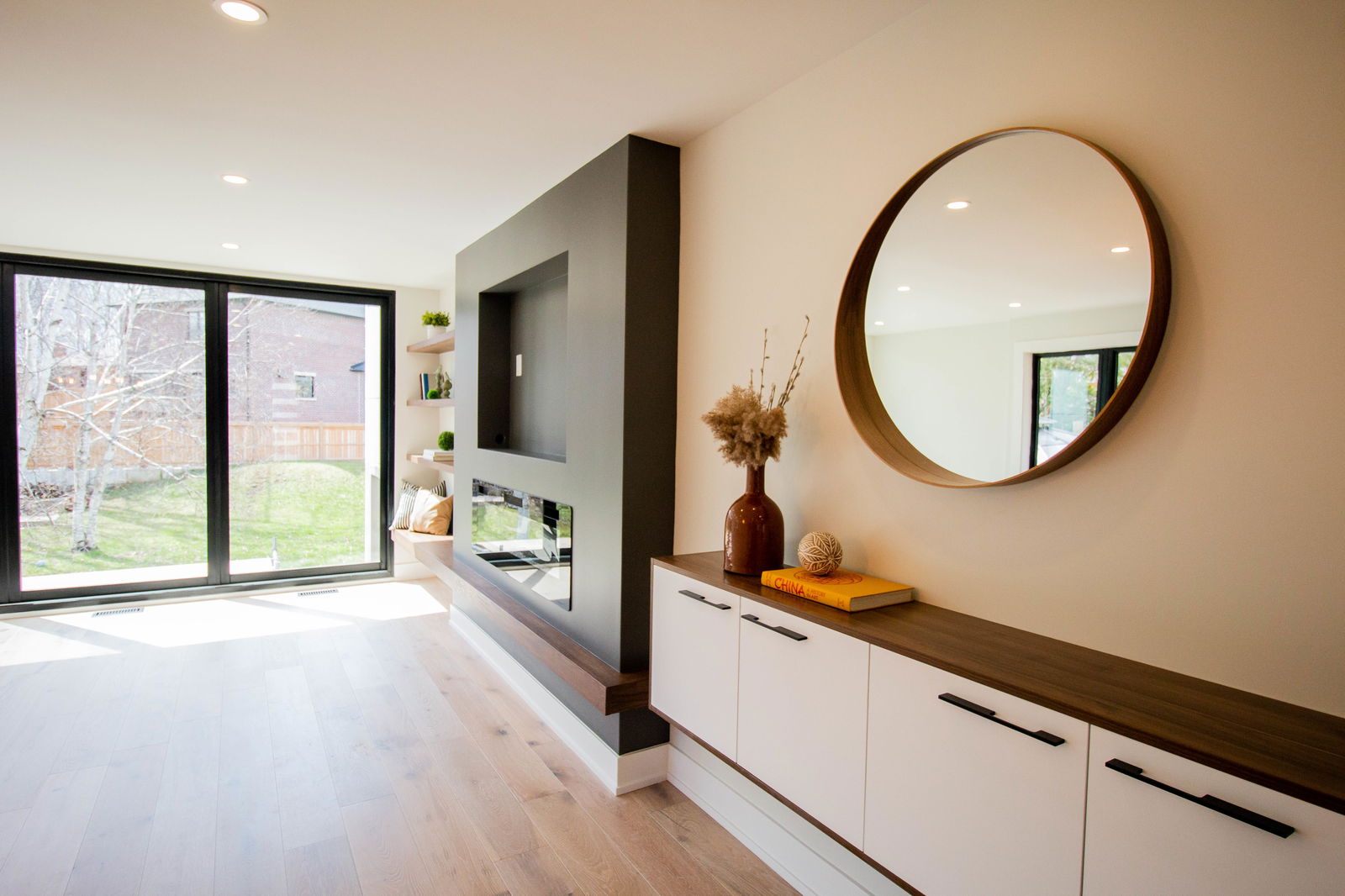
Defining the Concept of Aging in Place

The term 'aging in place' is frequently used in retirement planning circles, but its core meaning is quite personal. At its heart, aging in place means staying in your own home as you grow older, preserving independence and autonomy for as long as possible. It is a proactive choice to remain in a familiar environment where emotional ties are strong and social networks are established. For many homeowners in areas like Vaughan, ON, this represents the ultimate goal for their golden years, allowing them to avoid the disruption of moving to an assisted-living facility or nursing home.
While the definition may vary slightly depending on who you ask, most experts agree that it involves living in one's own home and community safely and comfortably, regardless of age or ability level. This concept combines strategic planning, specialized home renovations inside and out, and the implementation of support systems. By choosing to stay put, seniors can maintain their daily routines, which is vital for both cognitive health and physical activity. It is not just about the physical structure of the house; it is about the ability to navigate that space with dignity and ease.
Successful aging in place depends heavily on the individual's goals and their current level of independence. According to the Morningstar research on aging in place, definitions can range from staying in a specific current house to simply remaining within the same neighborhood or community. Regardless of the specific interpretation, the common thread is the desire to avoid institutional care and maintain a sense of self-reliance. This requires a shift in how we view our homes—moving from seeing them as static assets to viewing them as evolving environments that must adapt to our changing physical needs over time.
The Critical Importance of Home Accessibility

One of the most significant hurdles to staying at home long-term is the physical layout of the residence. Shockingly, only about 3.5% of housing stock currently features the basic accessibility markers needed for someone with mobility challenges. This includes features like stepless entries, wide hallways, and first-floor bedrooms. For residents in older neighborhoods in Etobicoke, ON, many houses are multi-story layouts with narrow doorways that can become insurmountable obstacles as mobility decreases. Identifying these barriers early is the first step toward a successful long-term living strategy.
Professional modifications are often required to bridge the gap between a standard home and a safe, accessible one. This might involve upgrading homes for aging in place by installing grab bars in bathrooms, improving lighting in hallways, or replacing standard tubs with walk-in showers. These changes are designed to reduce the risk of falls, which are a leading cause of injury among seniors. A safe living environment acts as the foundation of the 'aging in place' philosophy, ensuring that the physical home supports rather than hinders the resident's daily activities and health monitoring.
Beyond simple additions, some homeowners choose more comprehensive structural changes. For instance, additions to maximize living space can be used to create a primary suite on the main level, eliminating the need to use stairs entirely. It is important to realize that not every home is easily adaptable; some multi-story properties or those with significant architectural constraints may require more creative engineering. Working with a contractor who understands the principles of universal design ensures that these modifications are not only functional but also aesthetic, maintaining the home's value while providing the necessary safety features.
Planning and Managing the Costs involved
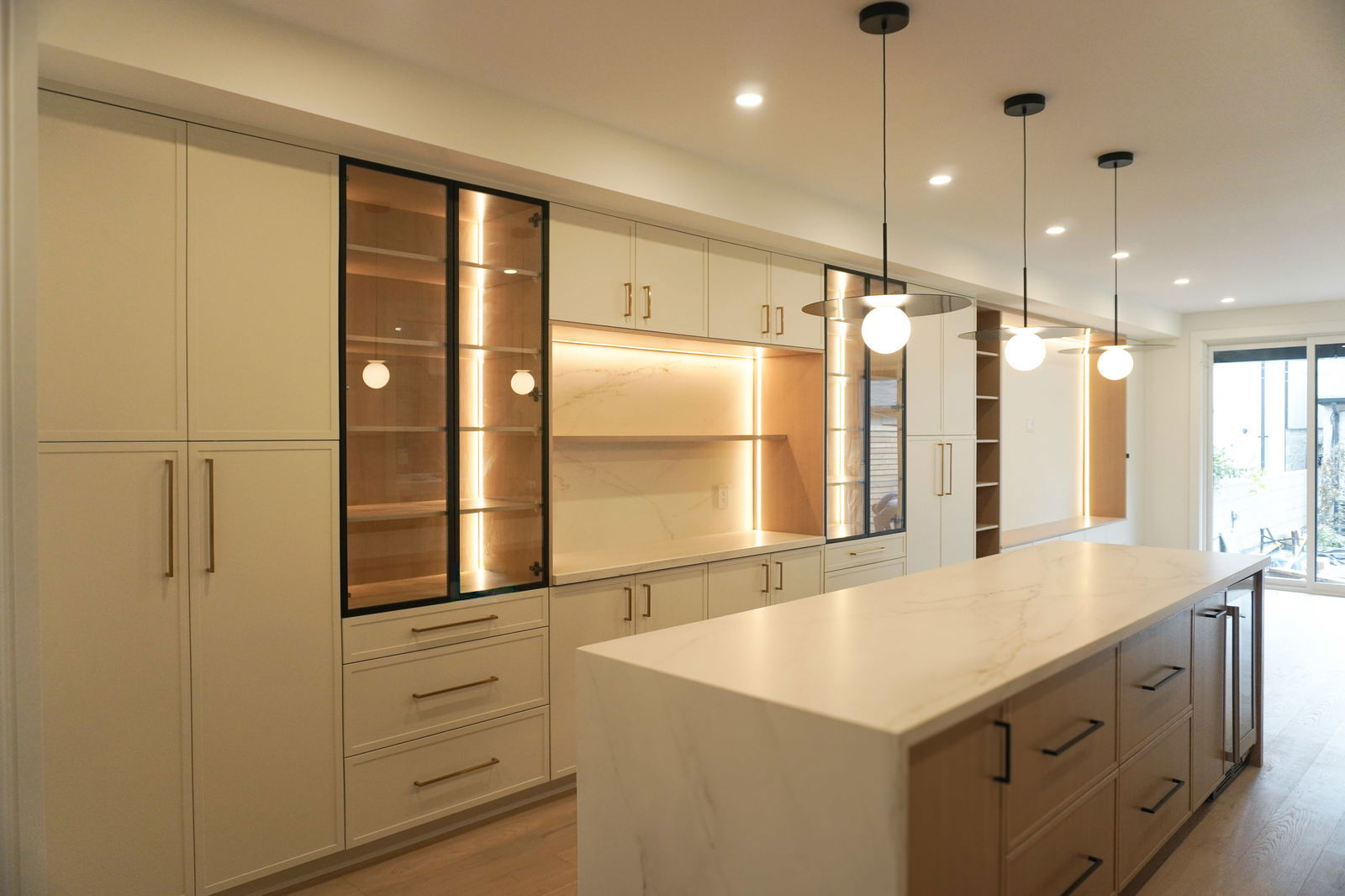
While the emotional benefits of staying home are clear, the financial aspect requires careful consideration. Many people assume staying home is always cheaper than alternative care, but there are hidden costs to aging in place that can surprise unprepared families. These costs include not just the initial renovation bills, but also ongoing maintenance, increased utility costs, and eventually, the cost of in-home professional care. Planning for these expenditures well in advance is crucial for financial sustainability throughout retirement.
The best time to begin these conversations and projects is before extensive care is actually needed. Proactive planning allows for more thoughtful design choices and helps homeowners spread the costs of renovations over several years. For those who realize their current home may require too many expensive upgrades, an alternative is to rebuild existing homes with universal design integrated from the ground up. This approach ensures that every aspect of the property—from the slope of the driveway to the height of the kitchen counters—is optimized for long-term accessibility in cities like Markham, ON.
Actionable advice for homeowners includes conducting a thorough audit of their property to identify trip hazards, poor lighting, and difficult-to-reach storage areas. Investing in 'smart home' technology can also be a cost-effective way to enhance safety; automated lighting and fall-detection sensors provide an extra layer of security for those living alone. By understanding the full financial landscape, including potential tax credits for home accessibility, seniors can make informed decisions that balance their desire for independence with their long-term budget. Transparency in these costs prevents stressful financial decisions during a health crisis.
Essential Components: Beyond the Physical Structure
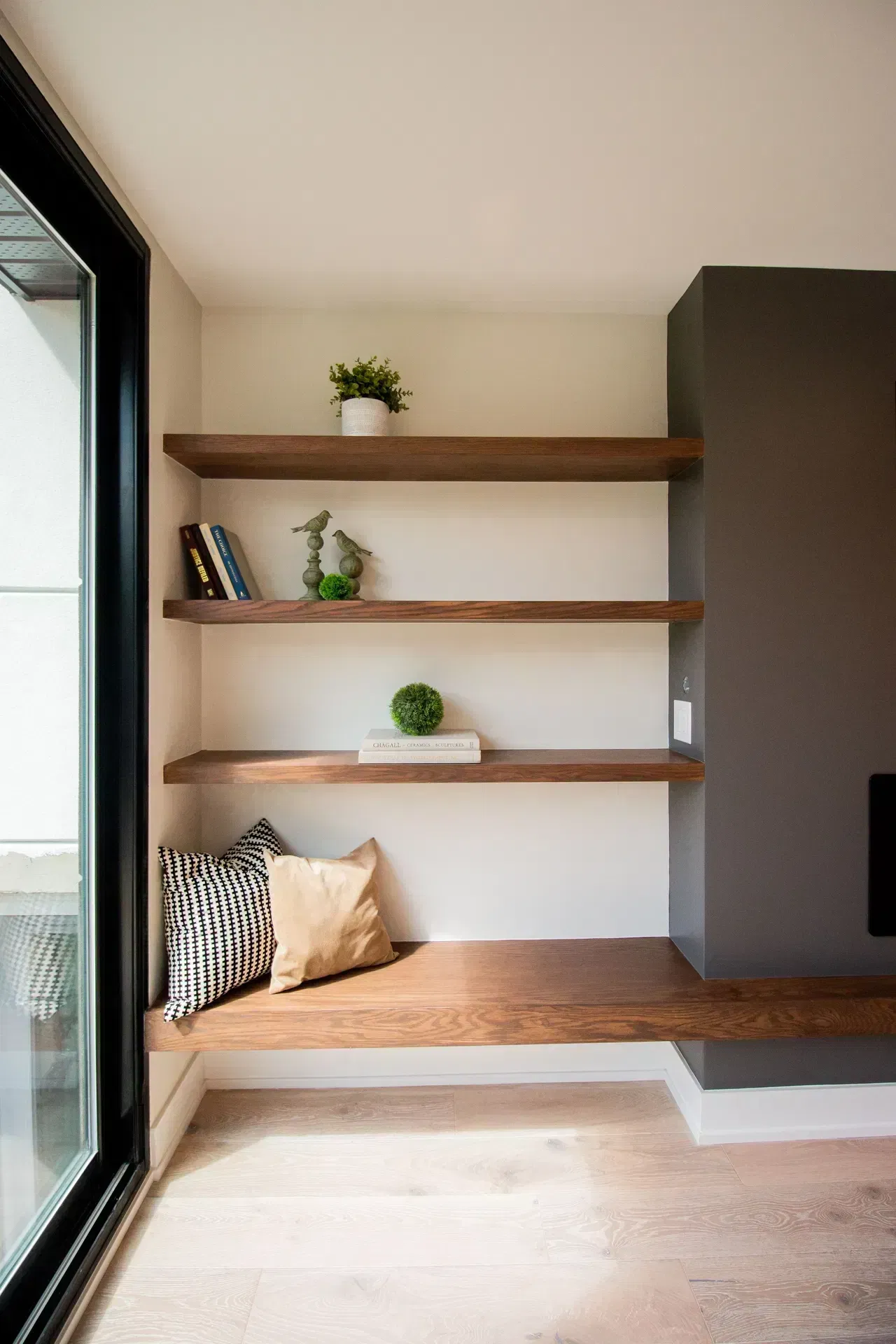
Aging in place is a holistic endeavor that extends beyond the walls of the house. A safe living environment is critical, but access to care and social connection are equally important pillars for success. Isolation is a significant risk for seniors living at home, making it essential to maintain meaningful relationships and community engagement. This might mean choosing a home that is close to local shops, community centers, and transit options in bustling areas like Mississauga, ON.
Support systems are the glue that holds an aging-in-place plan together. These systems often include a combination of family support, professional caregivers, and community services like meal delivery or specialized transport. For many families, this also involves optimizing space for multi-unit living, such as building a secondary suite or 'granny flat' on the property. This enables multigenerational living, providing seniors with close proximity to family while still maintaining their own private living quarters and independence. Such arrangements are becoming increasingly popular in the Toronto, ON region due to rising housing costs and the benefits of shared caregiving.
Ultimately, successful aging in place requires the resident to be an active participant in their own care and lifestyle. Being able to set one's own routines—when to eat, when to sleep, and who to visit—fosters a sense of control that is often lost in institutional settings. This autonomy is linked to better mental health and physical longevity. By combining a well-modified home with a robust network of social and medical support, older adults can enjoy the comfort of their memories while building new ones in the place they love most. The goal is not just to survive at home, but to thrive there with the highest possible quality of life.