

Understanding the Unique DNA of East York Homes
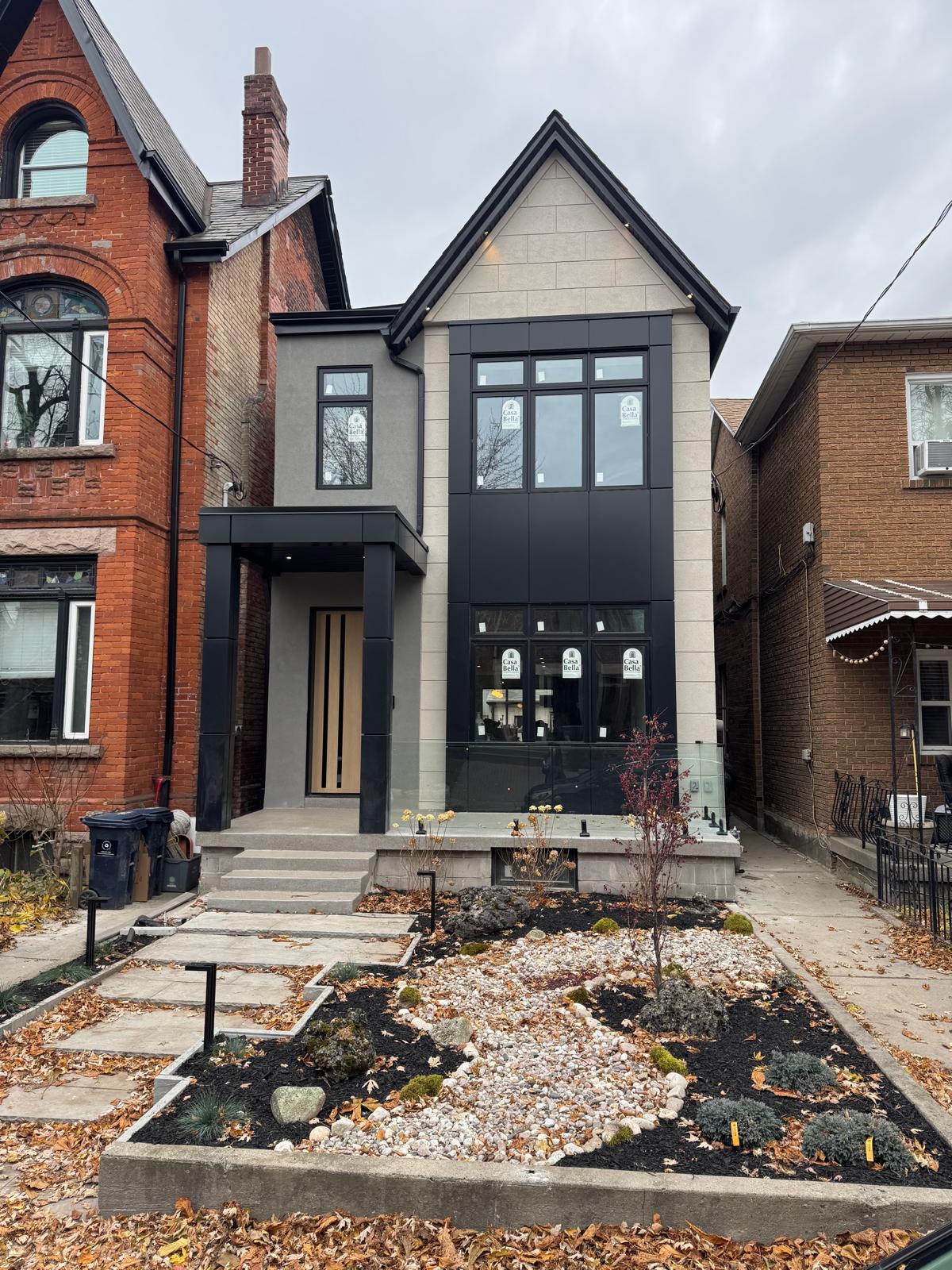
After nearly two decades of providing home renovations in East York, we have learned that these properties possess a very specific 'DNA' that sets them apart from the rest of Toronto. Most homes in this vibrant community are between 60 and 100 years old, often starting as compact post-war bungalows or narrow two-storey structures ranging from 800 to 1,400 square feet. These homes are rich in character but present specific structural challenges that require a specialized touch. According to the Toronto Construction Network, many of these original footprints are now being expanded through second-storey additions or rear extensions to reach total living areas of up to 2,400 square feet.
Working within East York means navigating narrow lots, which typically measure 30 to 40 feet wide by 100 to 120 feet deep. These tight parameters demand meticulous planning, especially when considering the proximity of neighboring structures and shared driveways. We've often found that what looks like a simple interior update quickly reveals the need for more substantial intervention. For instance, century-old brick homes frequently feature aging wiring systems or plumbing that no longer meets modern code. By acknowledging these local realities early in the design phase, homeowners can avoid the 'sticker shock' that comes when walls are eventually opened.
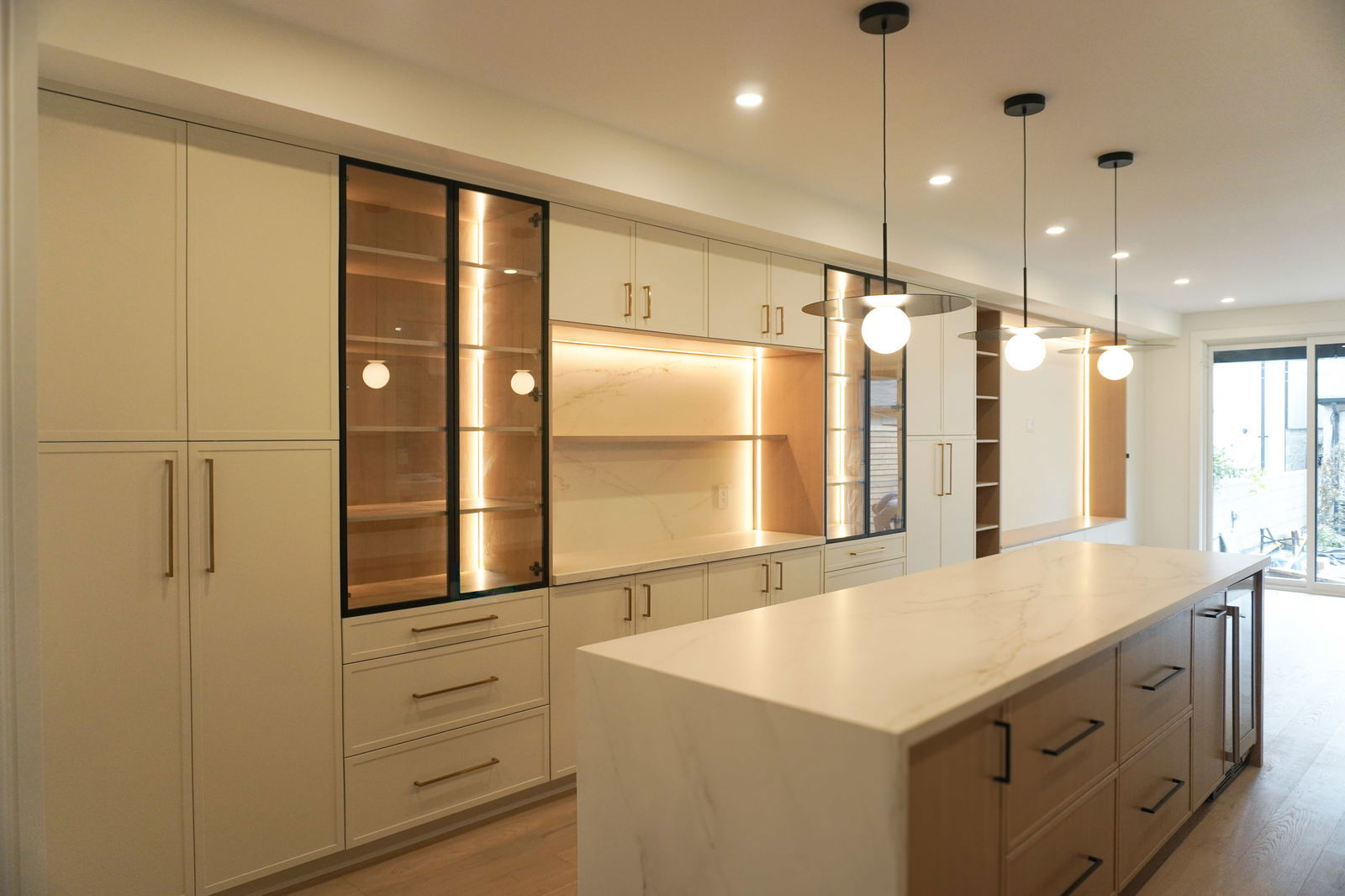
Sustainability and preservation are also key themes in our local projects. While everyone wants a modern interior, maintaining the street-level charm of the neighborhood is a priority for many residents. Our team focuses on integrating high-performance materials while respecting the architectural heritage of the area. Whether you are looking at a full gut renovation or a targeted kitchen update, understanding the foundation and framing of these specific home types is the first step toward a successful outcome. We recommend starting with a thorough site assessment to identify any historical quirks that might impact your future design goals.
The Foundation of Success: Underpinning and Structural Integrity
One of the most transformative secrets we've learned over 18 years is the importance of what lies beneath the floorboards. In East York, many basements were originally built with ceiling heights of only 6 to 7 feet, making them feel like cramped storage spaces rather than living areas. To create truly functional space, many homeowners opt for basement underpinning, which can increase ceiling heights to a comfortable 8 or 9 feet. This process not only adds square footage but also allows for the modern waterproofing and structural reinforcement that older East Toronto homes desperately need.
Foundations in this area are often made of multi-wythe brick, which is significantly weaker than modern poured concrete. As noted by Woodsmith Construction, these aging foundations are highly susceptible to water intrusion because of the local clay soils and frost cycles. Over time, moisture movement results in deteriorating mortar joints and leaks. When we approach a renovation, we prioritize keeping the basement dry and the structure level before any cosmetic work begins. This might involve replacing clay weeping tiles with modern perforated pipe systems or reinforcing the exterior foundation walls.
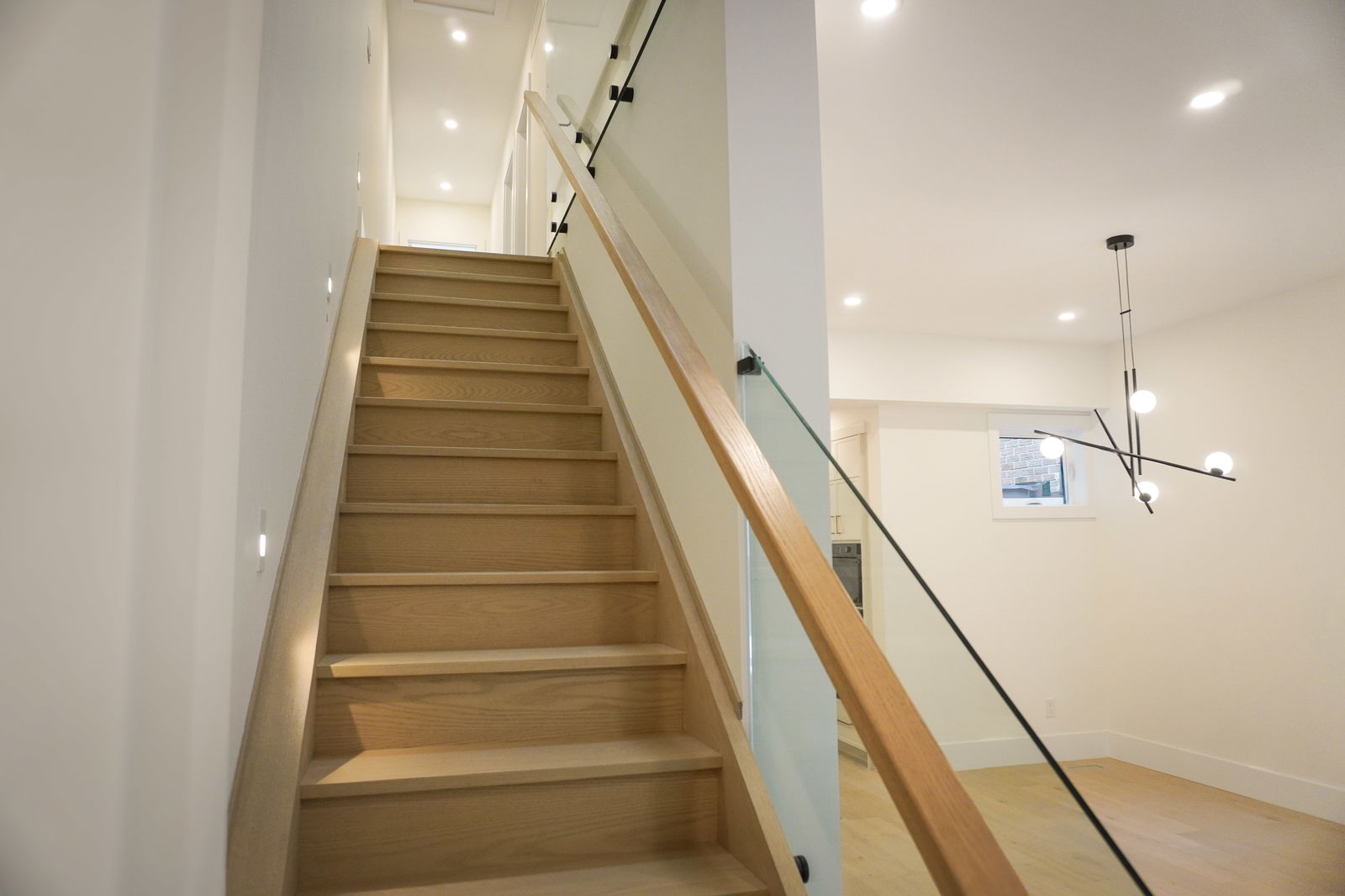
Furthermore, when you plan additions to maximize volume, the existing foundation must be evaluated to ensure it can support the new weight of a second or third level. Many post-war bungalows weren't engineered for vertical expansion. Our engineering partners frequently recommend structural steel or reinforced footings to provide the necessary stability. Investing in the 'invisible' parts of your home, like the foundation and structural framing, ensures that your beautiful new kitchen or master suite remains crack-free and level for decades to come. It is the single most important insurance policy for your renovation investment.
Navigating Zoning, Permits, and Local Challenges
Building in East York isn't just about hammers and nails; it's about navigating a complex web of municipal regulations and zoning bylaws. Because the lots are often narrow and have specific setback requirements, even a small extension can trigger a trip to the Committee of Adjustment. Experience has taught us that early consultation with the city is vital. You need to account for heritage considerations, tree protection bylaws, and potential laneway property potential. For those looking to maximize their land value, building garden suites or laneway houses is becoming an increasingly popular way to add multi-unit functionality or space for family members.
One common pitfall for homeowners is underestimating the time required for the permit process. In the City of Toronto, getting the green light for a major structural change can take several months, depending on the complexity of the project and current department backlogs. We advise our clients to use this time wisely by finalizing every material selection, from tiles to fixtures, so that when the permit arrives, construction can begin without delay. This proactive approach prevents the 'decision fatigue' that often plagues projects once the demolition phase starts.
Additionally, the logistical challenge of working on East York streets cannot be overlooked. Narrow roads and limited street parking mean that coordinating dumpster deliveries, material drop-offs, and trade arrivals requires military-grade precision. We have developed long-standing relationships with local suppliers who understand how to navigate these 'tight-squeeze' environments. Being a good neighbor during a renovation is also part of the process; keeping the site clean and communicating with the families next door helps maintain a positive community atmosphere throughout the noisy phases of construction. Successful renovations are as much about relationship management as they are about craftsmanship.
Realistic Budgeting and Vetting Your Contractor
The secret to a stress-free renovation often lies in the financial planning and the partnership you choose. A common mistake is falling for 'too good to be true' offers. As emphasized in the East York Home Renovations Guide, homeowners should be wary of abnormally low quotes or rushed timelines. Quality work in an aging home environment requires time, detailed planning, and a comprehensive contract. We always advocate for a realistic budget that goes beyond just labor and materials. You must account for permits, professional design fees, and structural inspections.
A professional rule of thumb we've refined over 18 years is to include a 10% to 15% contingency fund to cover unexpected structural issues revealed during the 'gut' phase. Whether it is outdated 'knob and tube' wiring hidden behind plaster or historical water damage, these discoveries are part and parcel of renovating 1950s homes. When vetting a contractor, prioritize communication skills and a proven track record in East York specifically. Ask to see visible past projects and speak with real references who can speak to how the team handled delays or warranties.
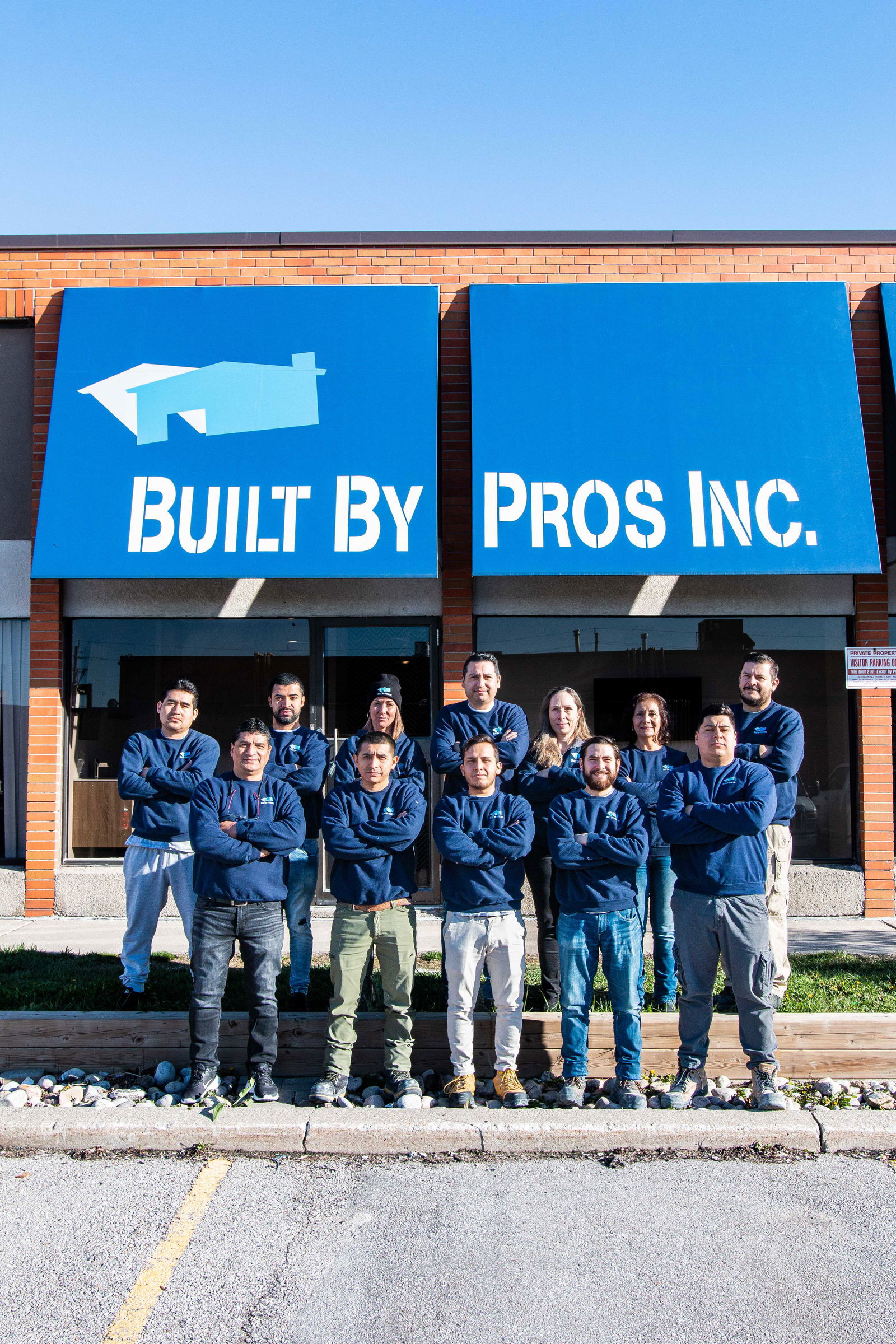
At Built by Pros Inc., we believe that transparency is the cornerstone of a healthy renovation experience. We provide detailed breakdowns of costs and maintain a clear vision alignment with our clients from day one. Choosing a contractor who understands the specific nuances of rebuilding existing homes ensures that you aren't just paying for a cosmetic face-lift, but a long-term improvement in your property's value and safety. Before you sign any contract, ensure that your goals for better flow, updated interiors, and added long-term value are clearly documented. This keeps the project focused and prevents the 'scope creep' that can derail even the best-laid plans. Preparation is truly the most powerful tool in your renovation toolkit.